

Reusable Disposable Comparison for Research Pens
- Cornel Burtea
- Aug 23
- 5 min read
A reusable disposable comparison is most useful when it starts with the real question: what needs to stay consistent in your research workflow? For some buyers, a disposable format reduces setup decisions. For others, a reusable pen system offers better cartridge access, less recurring hardware waste, and a more practical path for repeat ordering. The right choice depends on your preferred device format, expected frequency of use, and need for replacement components.
For research-use dispensing accessories, the decision is not simply about choosing what costs less at checkout. It is about maintaining a dependable process. Device compatibility, cartridge availability, dose-setting controls, storage practices, and fulfillment reliability all affect whether a pen system works well over time.
Reusable vs. Disposable: The Core Difference
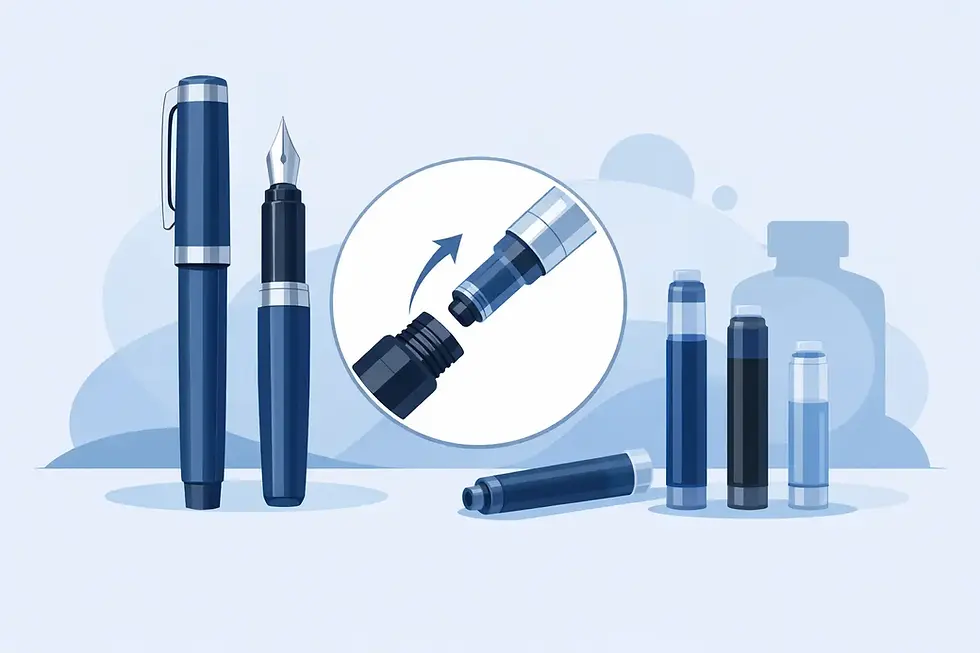
A reusable pen is a durable dispensing device designed to be used with compatible replaceable cartridges. Once a cartridge is no longer needed, the device remains part of the workflow and can be prepared with another compatible cartridge according to the device instructions. This separates the hardware purchase from the recurring cartridge purchase.
A disposable pen is generally a self-contained format. The pen body and its contents are treated as one unit, so there is no ongoing cartridge replacement process for the buyer. When the unit is finished, the entire device is set aside according to applicable disposal requirements.
That distinction changes nearly every practical consideration. Reusable systems require a little more familiarity with device setup and compatibility, while disposable formats can reduce the number of components a buyer manages. Neither format is automatically better. The better fit is the one that supports a clear, repeatable research-only process.
Upfront Cost vs. Ongoing Supply Costs
Reusable devices often have a higher initial hardware cost because the pen itself is meant to remain in service. The benefit is that future purchases can focus on compatible empty cartridges or other required research accessories instead of replacing the entire device each time.
Disposable formats may appear simpler from a first-purchase perspective because the device and contents are combined. However, when a workflow requires repeated use of the same format, replacing the full device repeatedly can create higher ongoing hardware consumption. Buyers who already know they need recurring cartridge access often prefer to invest in a reusable device from the start.
Cost should not be evaluated in isolation. A lower purchase price is less useful if replacement components are difficult to source, product formats are unclear, or shipments arrive without dependable tracking. A practical comparison includes the availability of the next order, not just the first one.
Consider the cost of interruptions
An interrupted workflow may mean waiting on replacement hardware, trying to identify compatible cartridges, or placing several orders with different sellers. A specialized reusable system can simplify that process when the device and cartridge format are clearly matched.
For repeat purchasers, bundles can also matter. A pen-and-cartridge bundle provides a straightforward starting point, while multipacks may help buyers maintain additional device availability for separate research setups. The appropriate quantity depends on how many compatible devices and cartridges are needed, not on buying more than the workflow requires.
Cartridge Compatibility Is a Deciding Factor
The strongest reason to choose a reusable pen is usually cartridge access. A reusable device only delivers convenience if buyers can identify and obtain the correct compatible cartridge format. Before purchasing, confirm the device type, cartridge capacity, fitting requirements, and any operating specifications supplied with the hardware.
V1 and V2 reusable peptide pen systems, for example, should be treated as distinct product formats unless their compatibility is expressly stated. The same principle applies to other reusable options, including HumaPen Savvio and Gansulin automatic pen devices. Similar-looking pen bodies do not guarantee interchangeable cartridges or components.
A good ordering process starts by keeping device details with prior order information. Record the exact pen version, color or model variation if relevant, and cartridge format purchased. This makes repeat orders faster and reduces avoidable compatibility questions.
Keep hardware and consumables organized
A reusable setup has two supply categories: the durable device and the replacement cartridge. Keeping these categories separate in your ordering notes helps prevent a common mistake - ordering cartridges without confirming the existing pen model, or purchasing a new pen when cartridges are the only item needed.
For buyers working with more than one device, label storage areas clearly and keep each device with the components intended for it. This is an operational habit, not a complicated system. A few clear records can save time when it is time to reorder.
Convenience Means Different Things for Different Buyers
Disposable formats are convenient for buyers who want fewer parts to manage. There is no separate device to retain and no need to plan for a future cartridge change. For an occasional or short-term research setup, that simplicity can be appealing.
Reusable formats are convenient in a different way. Once a buyer is comfortable with the device and has a reliable source for compatible cartridges, the workflow becomes more predictable. The same pen format can remain in use, and repeat orders can focus on the supplies that are actually running low.
The learning curve should be considered honestly. A reusable pen requires users to follow the manufacturer-provided operating instructions for that specific device. Buyers who value a familiar device format and repeatable setup may find that small amount of onboarding worthwhile. Buyers who want the fewest possible handling steps may prefer a self-contained format.
Waste, Storage, and Device Management
Reusable devices can reduce the number of pen bodies that need to be replaced over time. Only the cartridge is replaced as needed, while the primary device remains in use. For buyers who prefer to limit recurring hardware disposal, this is a meaningful advantage.
That advantage comes with responsibility. A reusable device should be kept clean, stored appropriately, and inspected for visible wear or damage before use. It should not be treated as permanent hardware. If a pen no longer operates as intended, has damaged components, or cannot be confirmed as functional, replacement is the dependable choice.
Disposable devices simplify storage because each unit is self-contained. They also eliminate the need to retain a device between cycles. But they can take up more space when ordering multiple units, and they create a recurring need to replace the complete format.
Local requirements may apply to the disposal of pen devices, cartridges, needles, and related materials. Buyers should follow applicable local guidance and the instructions provided with their specific products. Research-use accessories should be handled only within their intended research context.
Ordering Reliability Belongs in the Comparison
The product decision does not end when a buyer selects reusable or disposable. Availability, secure ordering, fast fulfillment, discreet packaging, and tracking are part of the experience, especially for buyers who need replacement hardware or cartridges without unnecessary delays.
A focused supplier can make reusable systems easier to maintain by offering clearly identified pen formats, cartridge quantities, and bundle options in one place. Three Star Lions Supply is built around that practical need, with research-use pen hardware and accessories organized for straightforward selection and repeat purchasing.
Before submitting an order, review the selected device version, cartridge count, and shipping details. If an item is intended to support an existing device, verify compatibility one final time. This takes less than a minute and can prevent a longer delay later.
Which Format Fits Your Workflow?
A reusable pen is often the stronger choice when you expect repeat purchasing, want continued access to a familiar device, and can confirm the correct cartridge format. It is also a practical option when minimizing recurring hardware replacement matters to you.
A disposable format may fit better when you need a self-contained option, prefer fewer components to manage, or do not expect an ongoing need for replacement cartridges. The convenience is front-loaded: select the unit, manage the unit, and replace the unit when appropriate.
The most dependable choice is the one you can source consistently, operate according to its instructions, and maintain with confidence. Start with the pen format that matches your current research workflow, then make future ordering simpler by keeping compatibility details and replacement needs clearly documented.


Comments